Creating a Curated Studio: Design Principles for 2026
How intentional curation and spatial planning shape creative workspaces.
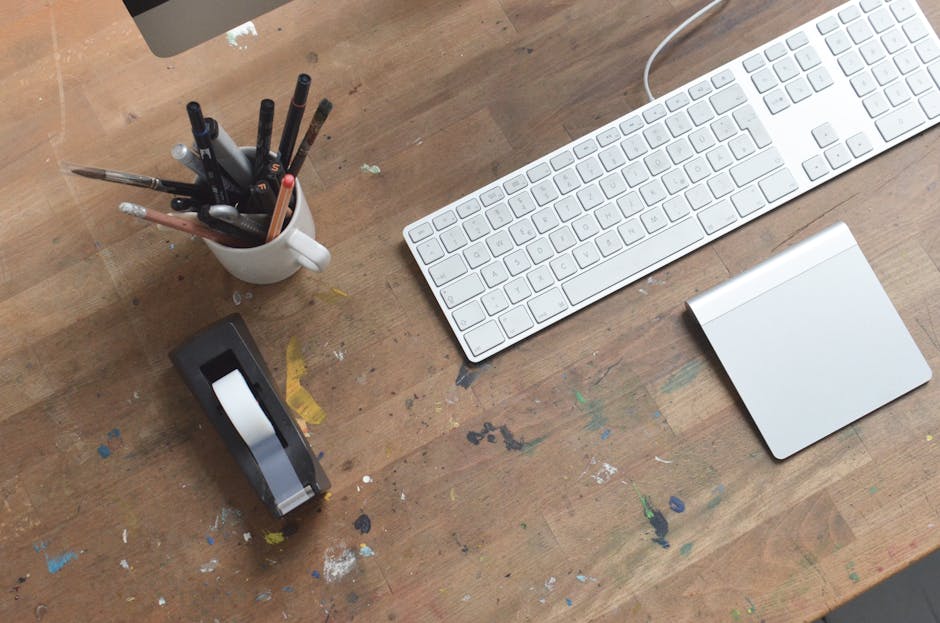
Studio design has shifted from pure functionality toward deliberate curation—every object chosen, every surface purposeful.
Whether you're painting, writing, designing, or crafting, the space itself becomes both tool and muse.
In 2026, the trend leans toward studios that reflect both discipline and personality, balancing openness with intentional constraint.
The Case for Intentional Constraint
Minimalism in studio design isn't about sterility—it's about eliminating visual noise so ideas can emerge clearly.
A curated studio removes the burden of choice fatigue. When every object earns its place, decision-making becomes faster.
This principle applies whether your medium is oil paint, photography, or graphic design. Fewer distractions, deeper focus.
Core Elements of Studio Curation

Defining Zones Within a Single Room
Most makers work within tight square footage. Zoning—separating creation, storage, and display—maximizes the same footprint.
A partition, change in flooring, or even furniture arrangement can signal a shift from 'working zone' to 'critique zone.'
This psychological separation improves both productivity and how you evaluate your own work over time.
Brands like Redbarrel Studio have built modular systems that respect these boundaries without requiring renovation.
Five Curation Moves for 2026 Studios
1. Audit Your Tools Monthly — Remove broken, obsolete, or unused items every 30 days to stay intentional.
Drift happens slowly. A monthly sweep prevents clutter from accumulating.
2. Isolate Your Primary Medium — Dedicate one clean zone to your main practice—everything else is secondary.
This zone gets first claim on the best light and most accessible storage.
3. Frame Inspirations Visually — Display reference images, color swatches, or finished samples on a dedicated board.
Pin boards or gallery walls keep inspiration active without cluttering your work surface.
4. Choose Finish Over Volume — Prioritize completed work storage over raw-materials sprawl.
Display finished pieces or archival storage signals that making is moving forward, not stalling.
5. Establish a Clearing Ritual — End each session with 10 minutes of reset—tools cleaned, surfaces wiped, plan sketched for next session.
Ritual beats routine. A closing practice anchors discipline and readies the space mentally.
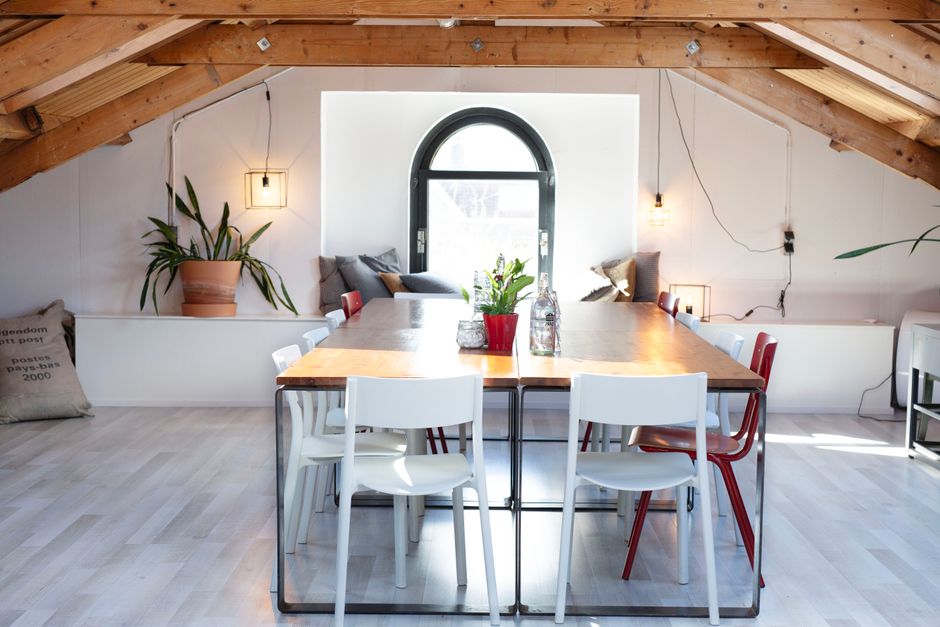
Curation as an Ongoing Practice
Studio design isn't a one-time setup. Design Observer has documented how working environments evolve alongside creative practice.
Your space should grow with what you make. Tools you used a year ago may no longer fit your current direction.
Curation means periodically reconsidering every object—not from guilt, but from genuine alignment with your work today.
Begin with one corner: a 4x4 zone with optimal light, one work surface, and essential tools only. Expand thoughtfully from there as your practice demands space.
The Studio as Studio
A curated studio isn't about perfection or minimalism for its own sake.
It's about removing friction between idea and execution—a space where every object, every surface, and every sight line supports what you're trying to make.
2026 studios reflect intention. Build yours deliberately.