Growing Cacti Indoors: Light, Water, and Soil Essentials
What you need to know about keeping desert plants thriving in your home.

Indoor cacti have become a staple for home gardeners seeking low-maintenance greenery.
But neglecting their specific needs—especially light and moisture—leads to rot and decline.
Understanding the fundamentals makes the difference between a thriving plant and a dried-up stem.
Light Requirements Shape Growth
Cacti evolved in bright, arid climates and demand direct sunlight to photosynthesize properly.
Most indoor varieties need 4–6 hours of direct sun daily, ideally from a south- or west-facing window.
Without adequate light, cacti stretch, weaken, and become susceptible to fungal infections.
If your home lacks natural light, a grow light positioned 6–12 inches above the plant can compensate.
Quick Cactus Care Reference
Watering Mistakes Are the Top Killer
Overwatering is the single most common cause of cactus failure in homes.
These plants store water in their tissues and require far less than most houseplants.
During the growing season (spring and summer), water only when soil is completely dry—typically every 2–3 weeks.
In fall and winter, reduce frequency dramatically; many cacti enter dormancy and need almost no water.
Always use pots with drainage holes and water until liquid drains from the bottom, then discard standing water.
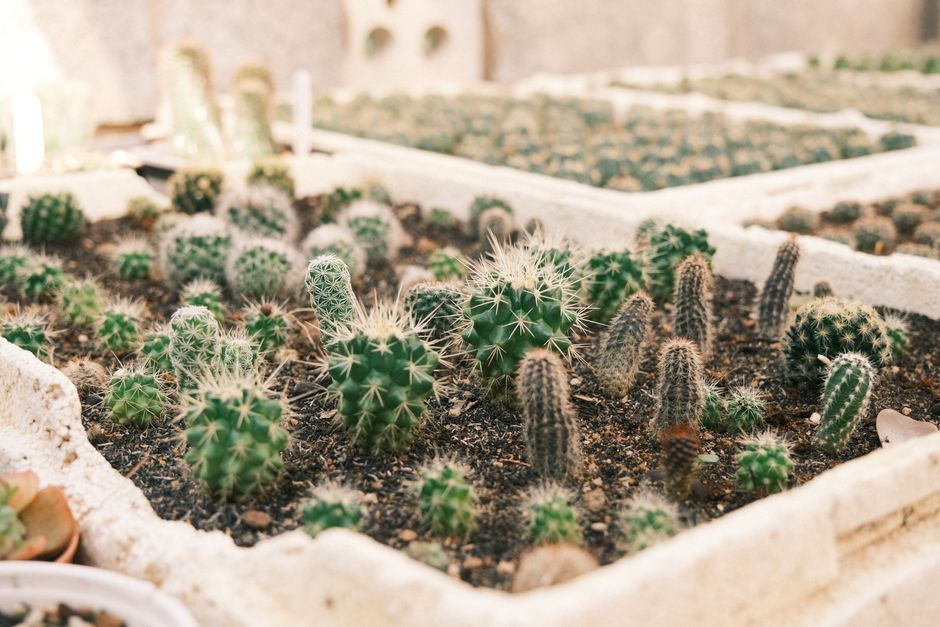
Soil Composition Matters More Than Pot Size
Standard potting soil retains too much moisture and causes root rot in cacti.
Invest in a specialized cactus or succulent soil mix, which includes perlite, coarse sand, or pumice for drainage.
If you prefer to amend standard soil, blend it 1:1 with perlite or add gritty minerals until the texture resembles sand.
Repot annually in spring if the plant outgrows its container; use a pot only 1 inch larger in diameter than the previous one.
Five Common Indoor Cactus Species
1. Barrel Cactus — Compact, slow-growing, minimal maintenance—ideal for beginners.
- Drum-shaped body
- Tolerates lower light than other cacti
- Can live 30+ years indoors
2. Prickly Pear — Flat, paddle-like segments; produces edible fruit in ideal conditions.
- Fast-growing
- Enjoys bright light
- Spreads horizontally
3. Christmas Cactus — Blooms reliably indoors; needs less sunlight than desert varieties.
- Segmented, soft stems
- Flowers in winter
- Prefers humidity over dryness
4. Chin Cactus — Small, mounding habit; produces vibrant flowers.
- Compact growth
- Relatively forgiving
- Cold-hardy to 40°F
5. Mammillaria — Clusters of small globes; flowers easily with proper light.
- Prolific blooming
- Slow-growing
- Handles neglect well

Fertilizing and Dormancy Support Health
Cacti need minimal feeding—a light hand with fertilizer is better than excess.
Apply a diluted, low-nitrogen succulent fertilizer once in spring and once in early summer.
Skip fertilizer entirely from fall through winter, when most cacti naturally rest and slow growth.
A winter dormancy period (cool, dry conditions) actually strengthens plants and promotes flowering.
If you want blooms, Cactusman and other specialty retailers offer environment-specific guides tailored to species-by-species flowering triggers.
Group cacti together near a bright window. They cast shadows on each other without reducing total light, and clustering raises local humidity slightly—beneficial when indoor air is very dry.
Common Pests and Disease Prevention
Spider mites and mealybugs are the two pests most likely to infest indoor cacti.
Inspect your plant monthly, especially the undersides of stems and around the base.
If you spot webbing or cottony clusters, isolate the plant and spray with insecticidal soap diluted per label instructions.
Fungal rot is preventable through airflow: position fans nearby or open a window on mild days to reduce stagnant humidity.
The Payoff of Patience
Cacti reward minimal effort with years of trouble-free growth and occasional blooms.
The key is respecting their desert heritage: bright light, infrequent water, fast-draining soil.
Once you dial in these three basics, your indoor cactus collection becomes one of the easiest corners of your home garden.