How Contemporary Home Textiles Shape Modern Interior Design
The shift toward layered, sustainable fabrics is redefining living spaces in 2026.

Home textiles have moved beyond functional necessity into genuine design statements. Rugs, throws, cushions, and curtains now anchor how we think about color, comfort, and material ethics in our homes.
The contemporary textile market reflects a broader shift: away from fast-fashion furniture thinking, toward considered, layered spaces that age well and mean something to their inhabitants.
This shift has real implications for how people shop for, care for, and rotate textiles through their homes.
The Tactile Turn in Interior Design
Contemporary homes increasingly treat textiles as primary design elements, not afterthoughts. Weave texture, fiber content, and weight now compete with color as design decisions.
This isn't minimalism—it's the opposite. Layering a heavyweight linen throw over a structured sofa, pairing a low-pile wool area rug with a hand-woven jute runner, or mixing matte and lustrous curtain fabrics creates visual and tactile richness.
The trend reflects a broader move toward spaces that feel lived-in and deliberately curated. Designers like those at Architectural Digest have documented how contemporary interiors increasingly prioritize material honesty over novelty.
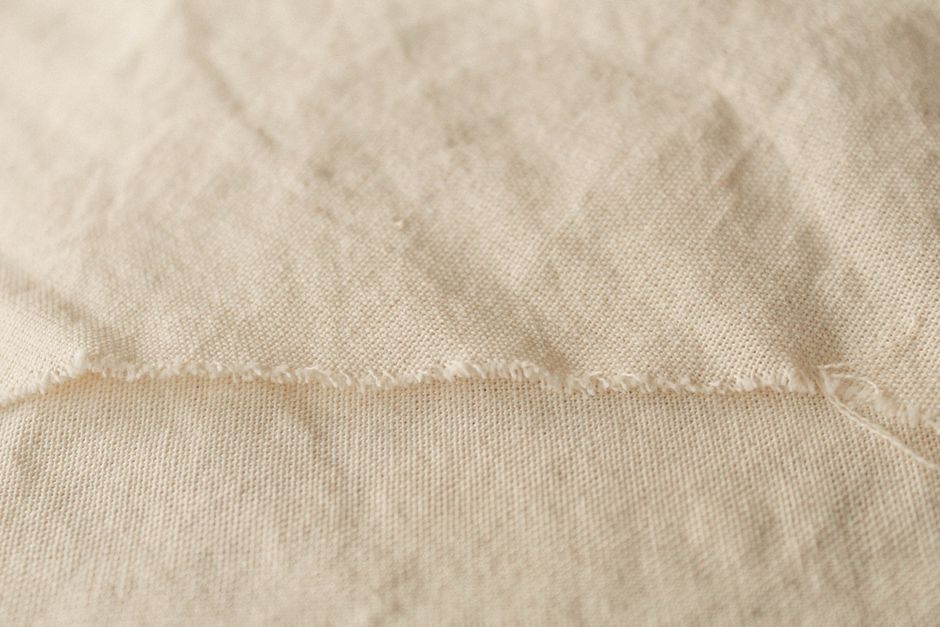
Materials Leading the Shift
Durability and Deliberate Care
Contemporary textile choices often reflect skepticism toward disposable interiors. Buying a quality area rug or set of linen curtains now reads as a long-term investment, not a seasonal swap.
This mindset has revived interest in textile care: professional dry cleaning for delicate pieces, spot-cleaning techniques, and understanding fiber-specific maintenance. Homeowners are learning that a well-maintained wool throw or linen duvet cover outlasts cheaper alternatives by years.
Brands like Tahari Home have capitalized on this by emphasizing fiber provenance and care documentation alongside design aesthetics, positioning textiles as heirloom-quality pieces.
Trade-offs in Textile Selection
Strengths
- Natural fibers age beautifully and become softer with use.
- Durability reduces replacement frequency and long-term cost.
- Material transparency appeals to environmentally conscious buyers.
- Texture and weight create sophisticated, personalized interiors.
- Sustainable sourcing aligns with ethical consumption values.
Trade-offs
- High-quality textiles carry steep upfront costs.
- Natural fibers wrinkle, shed, or require specialized care.
- Limited color ranges in eco-certified materials.
- Sourcing delays for deadstock or small-batch fabrics.
- Care instructions can be labor-intensive or costly.

Sustainability and Supply-Chain Visibility
Contemporary consumers increasingly ask where textiles originate and how they're made. This has shifted production models away from fast-fashion warehouse clearing toward smaller, transparent runs.
Certifications like Fair Trade, GOTS (Global Organic Textile Standard), and sustainable fabric standards now appear on retail product pages, signaling quality and ethical sourcing.
Some manufacturers now publish dye sources, water usage, and waste reduction metrics. This transparency reassures buyers that their textile choices carry less environmental weight than they might assume.
The contemporary home textile market reflects a philosophical shift: from treating interiors as seasonal trends to viewing them as long-term environments that deserve intentional, considered material choices.
Interior design industry observation, 2026
The Textured Future
Contemporary home textiles aren't a passing aesthetic—they're a response to real consumer priorities: durability, design integrity, and ethical sourcing.
Whether through a single investment piece or a gradually layered collection, the trend invites homeowners to slow down and think about what they surround themselves with daily.
In 2026, textiles are no longer the neutral backdrop to furniture. They're the conversation itself.