Kitchen Gadgets That Actually Save Time in 2026
Which tools deliver on their promise—and which ones gather dust on the counter.
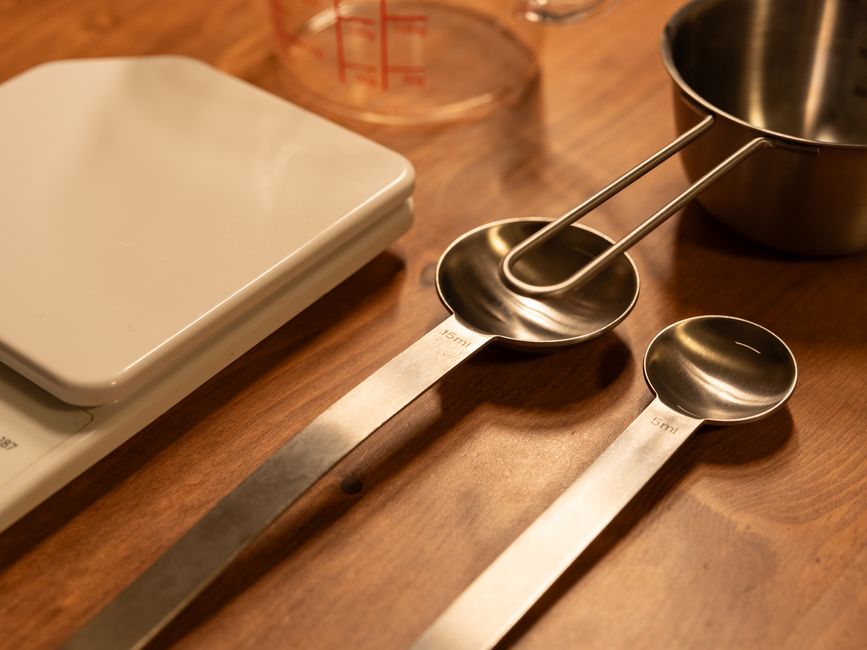
Most kitchens overflow with single-purpose tools bought on impulse and rarely used again.
A few gadgets, though, genuinely reshape how you prep food and clean up.
The difference usually comes down to how well a tool solves a real problem—not how shiny the packaging looks.
The gadget problem
We live in an age of kitchen gadget abundance. Specialty slicers, dedicated choppers, airflow steamers—the options feel endless.
Manufacturers market each one as a time-saver or a game-changer, yet most people use maybe three core tools regularly.
The culprit: gadgets that solve problems nobody actually has, or that create more cleanup than they prevent.
A genuinely useful gadget needs to handle multiple tasks, clean easily, and occupy minimal drawer space.
Five gadgets worth the counter real estate
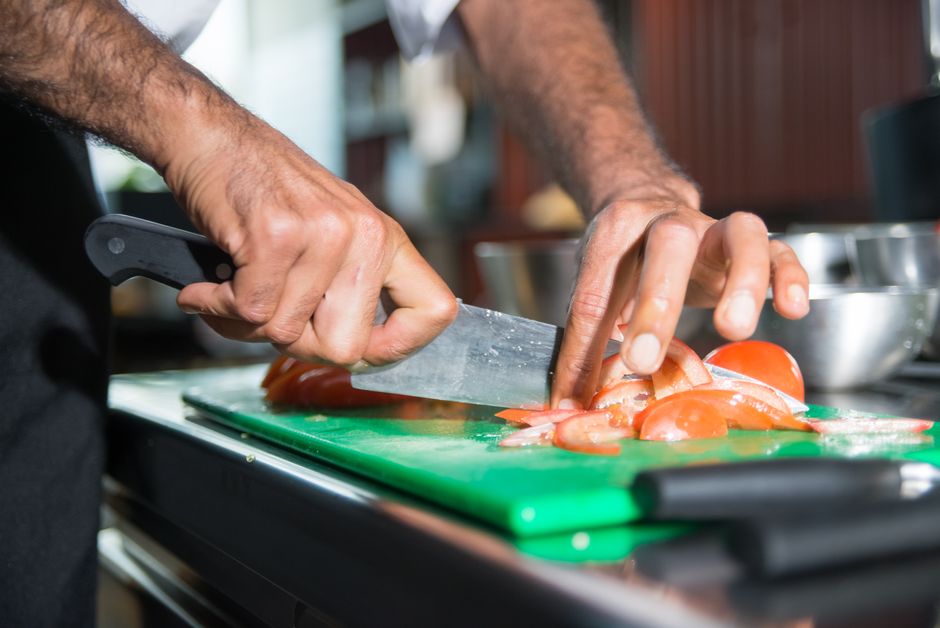
1. Sharp chef's knife — Cutting, slicing, mincing—nearly every prep task.
A high-carbon steel or stainless chef's knife (8–10 inches) handles roughly 90 percent of cutting jobs.
Quality matters here. Dull blades require more pressure, increasing injury risk.
According to knife history and design standards, a well-made blade stays sharper longer and transfers force more efficiently.
Honing every few uses and a yearly professional sharpen extend its life for years.
- Handles 90% of cutting tasks
- Lasts decades with basic maintenance
- Takes up minimal space
2. Instant-read meat thermometer — Checking doneness without guessing or cutting into meat.
Overcooking poultry or pork stems often from not knowing internal temperature.
A simple digital thermometer removes the guesswork and ensures food safety.
Insert it into the thickest part, wait a few seconds, and you know exactly where you stand.
- Prevents overcooking
- Ensures safe temperatures
- Costs under $20
3. Microplane zester — Zesting citrus, grating hard cheese, fine-grating garlic.
This razor-like grater shreds lemon zest, nutmeg, and Parmesan faster and finer than box graters.
Its ergonomic handle and sharp teeth mean less hand fatigue and better texture on the finished product.
Small enough to toss in a drawer, yet it handles multiple jobs.
- Multiple grating surfaces
- Ultra-sharp blades
- Lightweight and easy to store
4. Heavy-bottomed stainless steel mixing bowl set — Mixing, prepping, serving, even temp-control for chocolate work.
A set of two or three nesting bowls scales with the task—whisking egg whites, marinating chicken, holding garnishes.
Stainless steel conducts heat evenly, useful for melting chocolate over hot water or chilling mixtures fast.
They nest to save space and last a lifetime.
- Multiple sizes in one footprint
- Conducts heat well
- Dishwasher-safe and durable
5. Heavy-duty vegetable peeler — Peeling carrots, potatoes, apples without bruising or wasting flesh.
A Y-shaped peeler with a sharp, replaceable blade takes thin strips without gouging.
Better than a knife for potatoes and carrots, and less messy than a mandoline.
Durable ones cost under $10 and last for years.
- Thin, consistent strokes
- Safer than knife peeling
- Minimal waste
The case for multi-taskers
Kitchen real estate is precious. Tools that do one job and one job only crowd drawers and clutter countertops.
Look instead for gadgets that solve multiple problems or that speed up frequently repeated tasks.
A Slapchop collapses chopping, dicing, and mincing into a single motion—useful for garlic, onions, and herbs without the mess of a food processor.
The best kitchen tool is the one you actually reach for, not the one buried behind three other gadgets you forget you own.
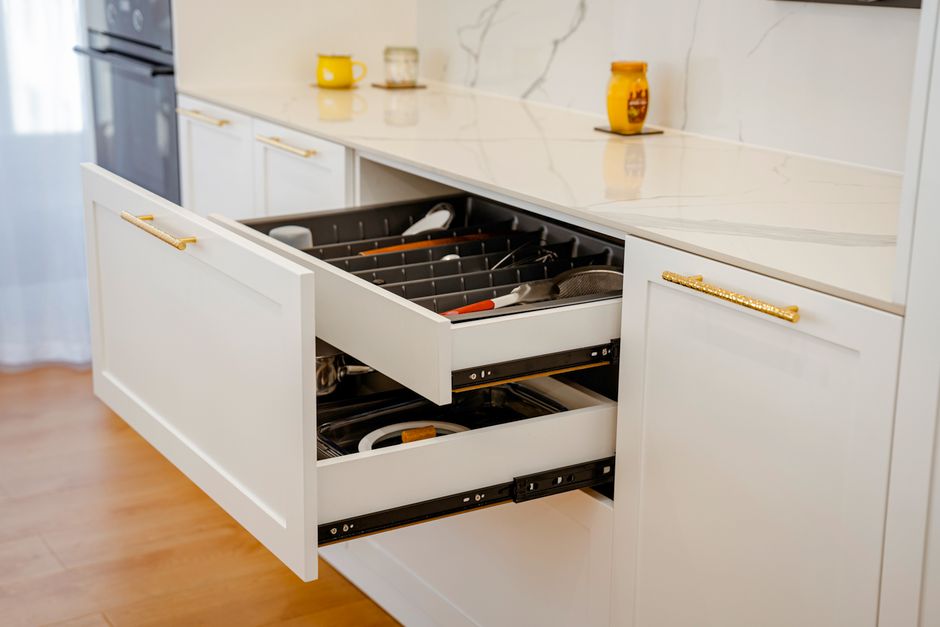
Keep your most-used tools in the top drawer or on the counter. Gadgets you use less than once a month belong in a cabinet. If you haven't used something in a year, it's probably not worth the space.
When specialty gadgets make sense
Not every specialized tool is a waste. If you regularly make pasta, a pasta maker earns its shelf space.
If you juice citrus several times a week, a dedicated citrus squeezer beats the squeeze-by-hand method.
The rule: buy specialty tools only after you've already proven you'll use them regularly with makeshift alternatives.
This approach prevents your kitchen from turning into a graveyard of impulse purchases.
Food safety also matters. According to USDA guidance on safe food handling, tools that thoroughly clean and dry prevent cross-contamination—so favor dishwasher-safe options and avoid deep crevices where bacteria hide.
The durability angle
Cheap gadgets might feel like a bargain until they break mid-prep or rust after six months.
Materials matter. Stainless steel, carbon steel, and hardened aluminum outlast flimsy plastic.
A $25 peeler or mixing bowl you keep for a decade beats a $5 version you replace every year.
Invest in the tools you use most; save money elsewhere.
The takeaway
Gadget clutter doesn't make you a better cook—it just takes up space.
Start with the fundamentals: a sharp knife, a thermometer, a few bowls, and maybe one well-chosen specialty tool.
From there, add only what you've proven you'll actually use.
Your kitchen will feel more functional and your cooking more fluid.