The Revival of Hand-Dyed Yarn in Contemporary Fiber Arts
How small-batch color traditions are reshaping how makers approach their craft in 2026.

Hand-dyed yarn has moved from niche hobby supply to a legitimate category within the broader maker economy.
What once meant ordering from obscure dyers is now accessible through wider retail channels and creator-direct models.
The shift reflects a broader turn toward intentional color, traceable sourcing, and the tactile satisfaction of working with yarn that tells its own story.
Why Dyers Matter More Now
Commercial yarn manufacturers operate at scale, which means color palettes flatten toward what works for the widest audience.
Hand-dyers work in smaller batches, experimenting with techniques that can't be replicated identically twice—which knitters and crocheters increasingly see as a feature, not a bug.
The unpredictability of hand-dyed fiber appeals to makers seeking escape from mass production logic.
This tension between consistency and variation has become central to how fiber artists choose materials.

Natural Dyes and Modern Chemistry
Hand-dyers use two broad approaches: natural dyes (plants, insects, minerals) and synthetic dyes applied in controlled studio settings.
Natural-dye practitioners argue fiber absorbed with plant matter ages more beautifully and breaks down without harming soil—a meaningful difference for environmentally conscious makers.
Synthetic dyes, when handled responsibly, offer brighter, more predictable saturation and wider color ranges that natural alternatives sometimes can't match.
Most working dyers blend both methods depending on their aesthetic goals and environmental commitments.
The Craft Council has documented increased interest in heritage dyeing techniques alongside contemporary scientific approaches.
What Separates Hand-Dyed from Commercial Yarn
The Accessibility Shift
Five years ago, buying hand-dyed yarn meant finding an independent dyer through social media or word-of-mouth.
Today, Yarn Bee and similar retailers stock hand-dyed products alongside conventional options, making the category visible to knitters browsing in one space.
This normalization hasn't diminished direct-to-maker sales—it's expanded the total pool of people willing to pay premium prices for color that feels personal.
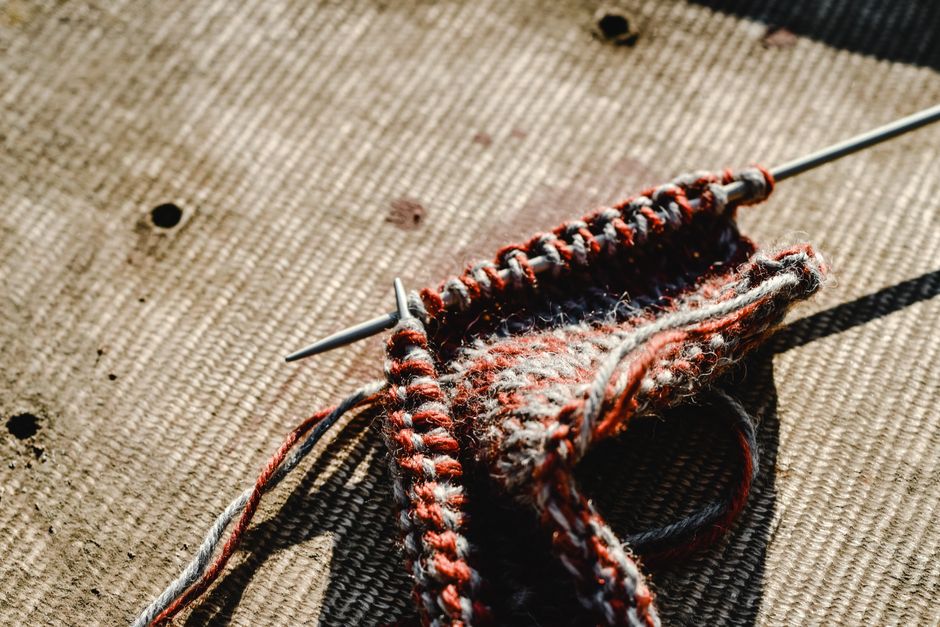
How Makers Are Using Hand-Dyed Yarn
1. Minimalist Garments
Stockinette stitch sweaters and simple wraps put full focus on the yarn's color story.
2. Color Blocking and Stripes
Makers pair multiple hand-dyed lots to create intentional, high-contrast geometry.
3. Speckled and Gradient Bases
Dyers now offer multi-tone and semi-solid options that sit between solid commercial yarn and wild variegation.
4. Heirloom Projects
Makers creating items meant to age and be passed forward choose hand-dyed specifically for how the material changes with time and wear.
5. Trend-Responsive Collections
Hand-dyers respond to fashion color forecasts faster than mass manufacturers, keeping their work aligned with cultural moment.
Many hand-dyed yarns require gentle washing and careful drying to preserve color and prevent bleeding. Check the dyer's care notes before blocking or wet-finishing—some natural dyes can shift with water temperature.
The Economics and Future
Hand-dyers operate on thin margins, which means sustainability isn't always a luxury—it's often a necessity born from working small.
Rising interest in their work has attracted newer makers to the field, increasing supply and choice without flooding the market.
The 2026 fiber arts landscape suggests hand-dyed yarn is moving from impulse luxury to routine purchase for a growing segment of makers.
The Color Question
Hand-dyed yarn asks a simple question: what color do you actually want to make with, and are you willing to wait for someone to create it specifically?
That shift from accepting what's on the shelf to commissioning what matches your vision marks a meaningful change in how contemporary makers approach their materials.
Whether dyers continue to thrive at this scale depends largely on whether makers see the premium and variation as worth the investment—and current trends suggest they do.