What Makes Handcrafted Furniture Worth the Investment in 2026
Understanding the durability, design, and value behind custom-made pieces

Handcrafted furniture occupies a distinct space in the modern home—prized for durability, individuality, and the visible mark of human skill. Mass production dominates retail, yet demand for custom or artisan-made pieces continues to grow.
The appeal runs deeper than aesthetics. Handmade furniture often lasts decades, adapts to specific spaces, and carries a narrative that flat-pack alternatives cannot match.
Durability and Longevity
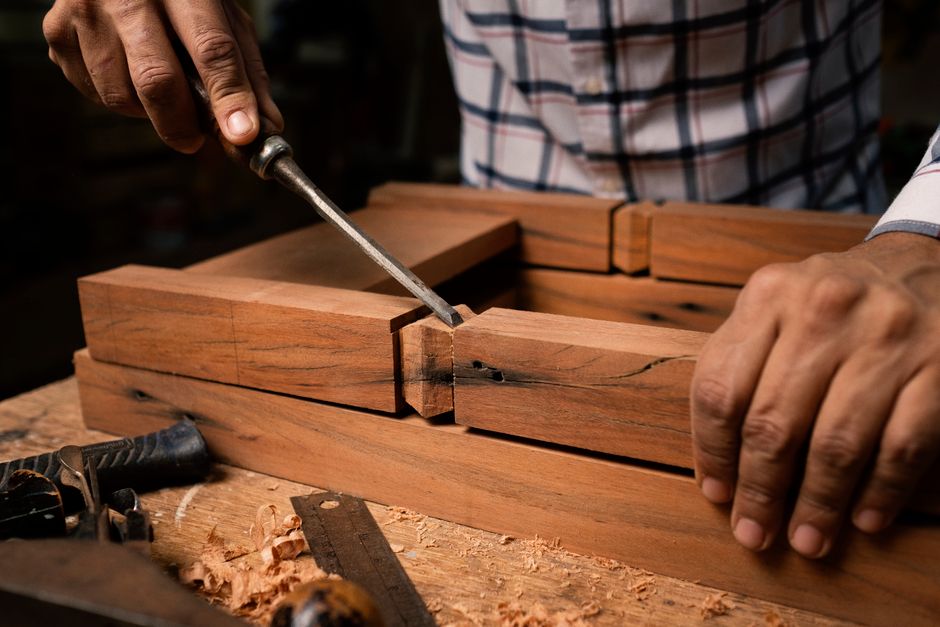
Handcrafted furniture typically uses solid wood, quality joinery, and attention to structural details that mass-produced items skip. A well-made chair or table can outlast several generations of disposable furniture.
According to The Spruce Sprout's guide to quality wood furniture, construction methods—mortise-and-tenon joints, hand-finished surfaces, and timber selection—directly correlate with lifespan.
Repair and restoration become possible with handmade pieces. A damaged leg or loose joint can be fixed by a craftsperson. Mass-produced furniture often reaches the landfill instead.
Customization and Space Fit
Handcrafted furniture adapts to your room, not the reverse. A bespoke dining table can match your ceiling height, accommodate your exact seating count, and fit awkward wall dimensions.
This flexibility matters in older homes, small apartments, or rooms with unusual layouts. Off-the-shelf dimensions often force compromise.
Many artisans now offer Tresanti and similar hybrid models—semi-custom designs that balance personalization with reasonable timelines and costs.
Key Advantages of Handmade Over Mass-Produced
1. Superior Materials
Artisans source solid hardwoods, quality veneers, and hardware that resist wear.
2. Visible Craftsmanship
Hand-finished details, grain-matched joinery, and edge work signal care in production.
3. Longevity
Proper construction extends lifespan 20, 30, even 50+ years with maintenance.
4. Reparability
Craftspeople can refurbish or modify pieces rather than replace them.
5. Unique Design
Custom work reflects personal style and household needs, not cookie-cutter trends.
Cost, Value, and Realistic Expectations
Handcrafted furniture costs more upfront than particle-board alternatives. A custom sofa or cabinet runs hundreds or thousands of dollars, not dozens.
The value equation shifts when measured across decades. A $3,000 table that lasts 40 years costs less per year than replacing a $400 table every 8 years.
Lead times matter too. Custom work takes weeks or months. Buyers need patience and clear communication with makers about timelines and revision processes.
Trade-offs to Consider
Strengths
- Exceptional durability and longevity
- Full customization to your space and taste
- Reputable makers stand behind their work
- Visible craftsmanship and quality materials
- Unique pieces with character and history
Trade-offs
- Higher initial cost than mass-produced options
- Longer wait times for custom orders
- Requires research to find reliable craftspeople
- Limited inventory if buying off-the-shelf artisan stock
- Bespoke work leaves little room for returns
Finding and Vetting Makers
The American Furniture Manufacturers Association provides resources for locating credible producers. Local woodworkers, regional maker markets, and craft guilds also connect buyers with makers.
Ask about materials, construction methods, warranty, and past commissions. A maker's portfolio and references reveal reliability and fit.
Visit workshops when possible. Seeing how a craftsperson works and handles feedback builds confidence in the partnership.
The Lasting Case for Handmade
Handcrafted furniture remains a deliberate choice in 2026—one that prioritizes durability, fit, and individuality over convenience. The upfront investment reflects genuine craftsmanship and materials built to endure.
For homes intended as long-term spaces, custom or artisan-made pieces pay dividends in satisfaction and practicality. The piece that fits your room perfectly and outlasts trends becomes a foundation, not a placeholder.