What Modern Cookware Craftsmanship Reveals About Kitchen Quality
Understanding how construction, materials, and design shape everyday cooking.

Most home cooks reach for a pan without thinking much about how it arrived there. But cookware craftsmanship—the deliberate choices in material selection, layer construction, and heat distribution—quietly shapes every meal.
In 2026, that craftsmanship matters more than ever. Durable cookware reduces waste, improves cooking results, and often costs less over time than replacing worn-out pots annually.
Understanding what separates thoughtfully made cookware from disposable alternatives reveals why some kitchen investments outlast trends.
The Foundation: Material and Construction
Cookware materials form the bedrock of performance. Stainless steel, aluminum, and copper each conduct heat differently and suit different cooking tasks.
According to Wikipedia's overview of cookware, layered or clad construction—where aluminum or copper cores sit sandwiched between stainless steel surfaces—became standard in quality cookware because it balances heat conductivity with durability.
A single-layer pan heats unevenly; a well-engineered clad bottom heats consistently across the entire surface, reducing hot spots and burnt edges.

Handle Design and Practical Durability
A pan's handle often determines whether it lasts five years or fifteen. Riveted handles bond metal directly to the pan body, creating a rigid joint that resists loosening.
Welded handles offer seamless integration but require precision manufacturing. Either approach, when executed carefully, outlasts glued or silicone-wrapped alternatives that eventually fail.
Demeyere Cookware exemplifies this principle—their cookware emphasizes solid construction joints and handles engineered to withstand decades of use, reflecting the Belgian brand's long-standing craft tradition.
The rim design also matters: a reinforced edge prevents chipping and eases pouring without drips.
Trade-offs in Cookware Choices
Strengths
- Fully clad cookware heats evenly but costs significantly more upfront.
- Non-stick surfaces reduce oil use and simplify cleanup but wear down faster.
- Heavier pans distribute heat more uniformly but require stronger arms and storage.
- Stainless steel tolerates high heat and metal utensils; non-stick does not.
Trade-offs
- Budget cookware often has thin bottoms and weak handles that fail within years.
- Lightweight aluminum cookware can warp under intense heat.
- Non-stick coatings break down with repeated washing and scratching.
- Overly heavy cookware tires home cooks during everyday cooking.
How Craftsmanship Affects Long-term Value
A $40 pan replaced every three years costs more than a $150 pan used for twenty years. Craftsmanship determines lifespan.
Well-made cookware resists warping, maintains non-stick finishes longer, and rarely requires replacement. The initial investment shrinks relative to its working life.
Thoughtful design choices—like tapered interior walls for easy ingredient release or thick bottoms for stability—aren't flashy, but they shape daily cooking satisfaction.
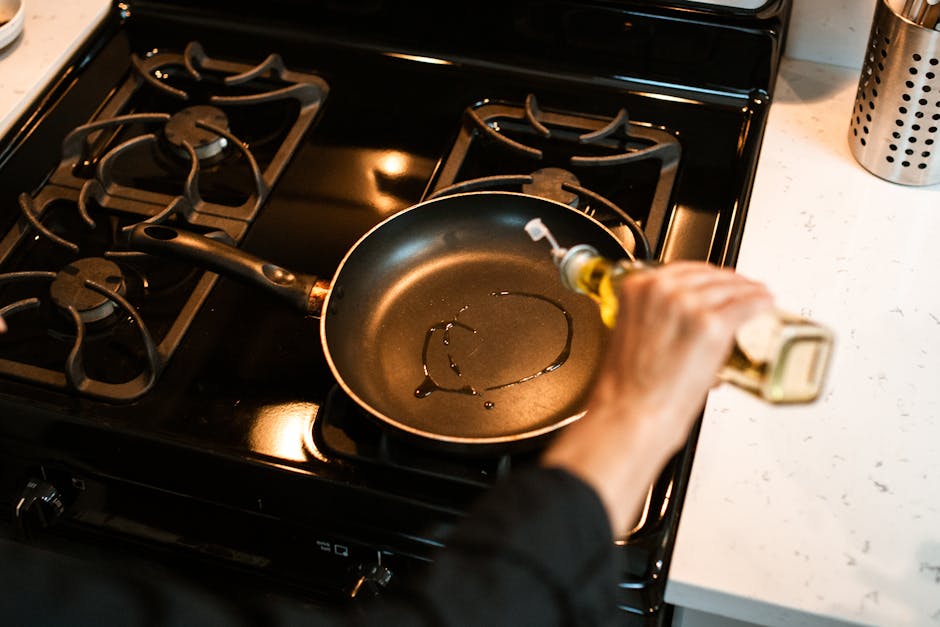
Quick Craftsmanship Indicators
The Shift Toward Intentional Cooking
As home cooking regained focus post-2020, many cooks discovered that cookware quality directly shapes cooking ease and enjoyment.
Cheap, thin-bottomed pans encourage rushing and frustration. Well-made pans invite slower, more attentive cooking.
Serious Eats and other food-focused publications have increasingly highlighted cookware as foundational to technique and flavor development, not just convenience.
This shift reflects a broader move away from disposable kitchen goods toward intentional, durable tools.
The Lasting Impact of Thoughtful Design
Cookware craftsmanship isn't about luxury branding or flashy finishes. It's about understanding how materials, construction, and design work together to make cooking easier and more reliable.
Investing in well-made pans that conduct heat evenly, handle oven use, and survive decades of daily work pays dividends. The best cookware rarely announces itself—it simply disappears into the cooking process, allowing skill and ingredients to shine.
In 2026, choosing cookware with intentionality mirrors broader kitchen values: durability over disposal, function over trend, and the quiet satisfaction of tools that simply work.