Contemporary Home Textiles: Design Trends Reshaping Living Spaces
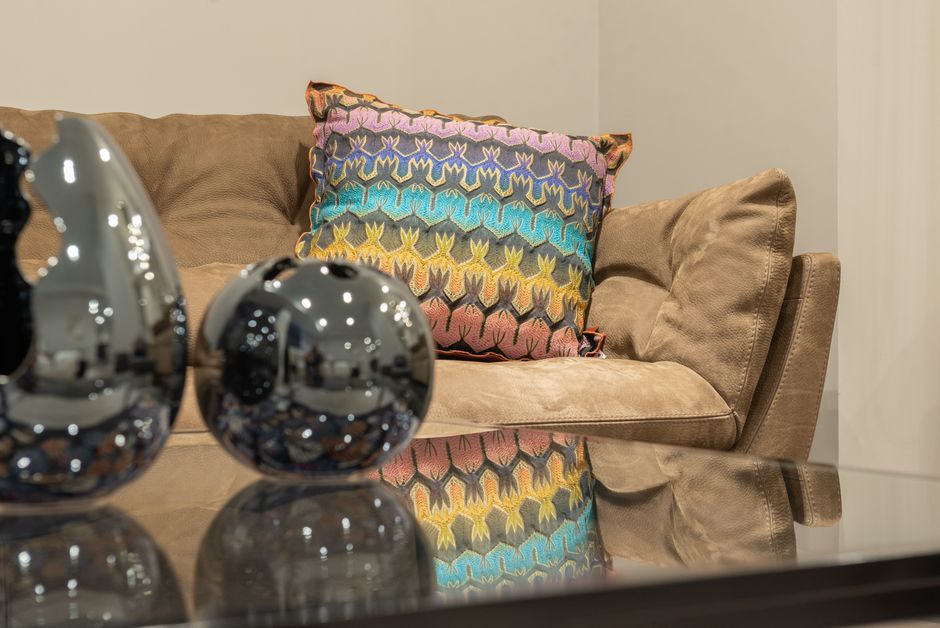
Home textiles have quietly become the primary vehicle for personal style in contemporary interiors. What once felt like an afterthought—throw pillows, area rugs, table linens—now commands serious design attention.
The shift reflects a broader move away from permanent fixtures toward layered, adaptable living. A well-chosen textile can transform a room's entire mood without renovation costs or commitment.
The Rise of Sustainable Fiber Innovation
Contemporary textile makers are prioritizing material transparency and environmental impact. The industry is moving beyond cotton and wool toward regenerated cellulose fibers, linen blends, and recycled synthetics.
Consumers increasingly check fiber content the way they once checked thread count. This demand has pushed mills to invest in traceability—knowing where flax was grown, how linen was processed, whether polyester came from recycled bottles.
Sustainable fashion standards are filtering down into residential textiles, not just apparel. A living room rug or bedding collection now carries the same ethical scrutiny as a coat.
Five Design Directions Defining 2026
1. Textural Minimalism — Neutral palettes with complex weaves
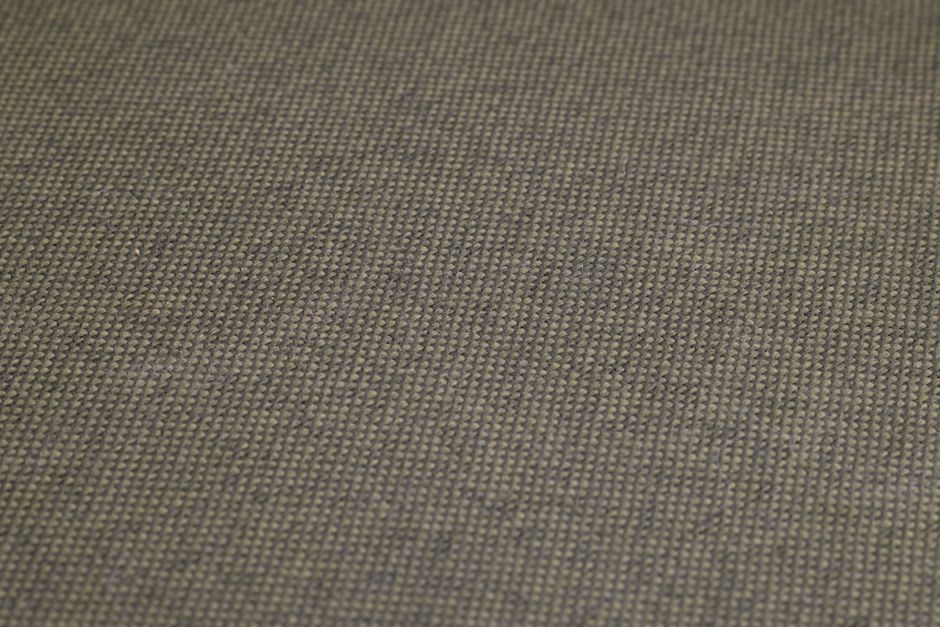
Solid colors combined with tactile variation—linen with slubs, cotton with nub weaves, silk blends with subtle napping. Visual restraint meets sensory richness.
2. Saturated Earth Tones — Warm ochres, terracottas, deep greens
Moving past cool grays toward pigments inspired by clay, oxidized metals, and foliage. These shades anchor a room with maturity.
3. Modular Textile Systems — Mix-and-match cushion covers, rug panels
Interchangeable pieces that reduce waste and allow seasonal or mood-driven updates. Think of textiles as flexible as a wardrobe.
4. Global Pattern References — Ikat, kilim, and batik-inspired prints
Contemporary makers reinterpreting traditional motifs through modern production. Respectful homage rather than direct appropriation drives the best work.
5. Performance Fabrics for Living Rooms — Stain-resistant, washable upholstery
Technology once reserved for outdoor or kids' furniture is entering mainline design. High-performance fibers no longer signal compromise.
The Comfort-to-Style Equation
Historically, home textiles were split: decorative pieces that felt stiff, functional pieces that looked cheap. Contemporary design erases that divide.
A throw pillow now needs to perform—hold its shape, age gracefully, feel pleasant against skin. A rug must be beautiful and durable enough for daily foot traffic. Tahari Home and similar contemporary makers have demonstrated that investing in quality basics
pays off faster than rotating cheap trend pieces.
This shift has reshaped how people shop. Rather than buying five mediocre items, many households now spend the same budget on two or three genuinely well-made textiles that anchor a room for years.
Modern performance finishes and natural fibers require different care. Check manufacturer guidance—some pieces reward gentle hand washing; others thrive in the machine. Proper care extends lifespan and preserves color integrity.
Size, Proportion, and Layering
Scale matters more than ever. A rug too small creates visual fragmentation; an oversized throw becomes clutter. Contemporary design favors intentional proportion over decorative excess.
Layering remains the smart approach: a large base rug, smaller accent textiles, one statement pillow or wall hanging. Each piece should have a clear spatial and visual role.
Color dialogue between textiles is where restraint becomes powerful. Two or three colors across an entire room's textiles create cohesion; too many introduce noise.

Fiber Quick Reference
Investing in Textiles That Last
The contemporary home textile shift reflects matured consumer values: authenticity over novelty, durability over disposal, personal expression over trend chasing.
Choosing textiles thoughtfully—evaluating fiber, construction, color longevity, and care requirements—transforms them from seasonal décor into permanent anchors. A textile that works for five years beats five textiles that work for one.
Architectural Digest and design media continue documenting how top interiors use textiles as their primary design tool. That shift isn't coming—it's already here.