Designing a Creative Studio Space That Actually Works
How to balance aesthetics, function, and inspiration in a personal workspace.
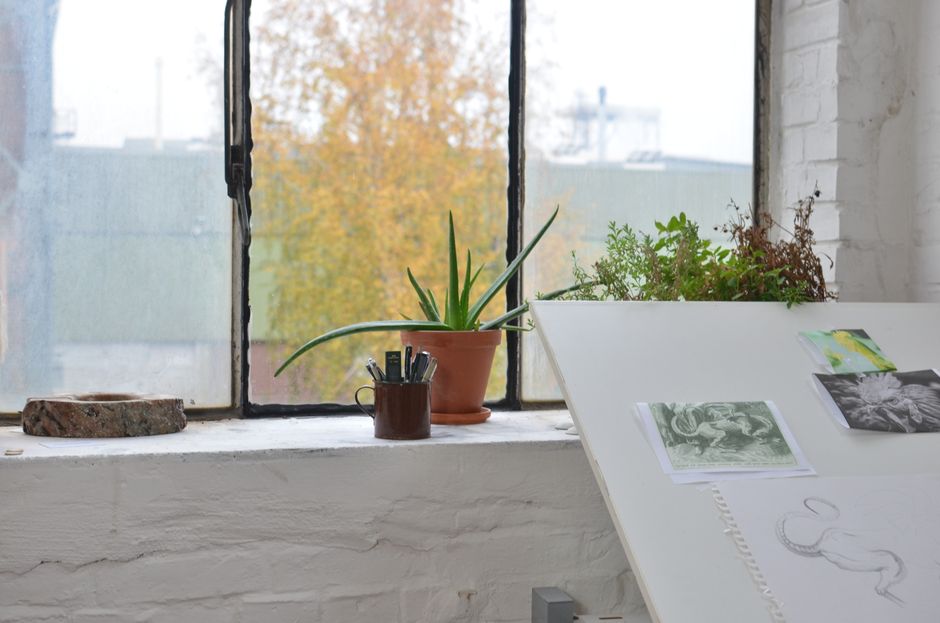
A studio is more than furniture and walls—it's the physical embodiment of how you work.
Whether you're a designer, artist, writer, or maker, the space around you shapes your output in ways that aren't always visible until they're wrong.
In 2026, the lines between home and workspace have blurred enough that studio design has become essential rather than aspirational.
Start with intention, not aesthetics
Before picking a color palette or sourcing vintage finds, ask yourself what your studio needs to do.
Do you need deep focus, or does your work thrive on visual stimulation? Are you meeting clients, or is this purely private?
These questions should guide every decision that follows, from layout to lighting to storage.
A beautiful studio that doesn't support your actual workflow is just an expensive distraction.
The function-beauty paradox
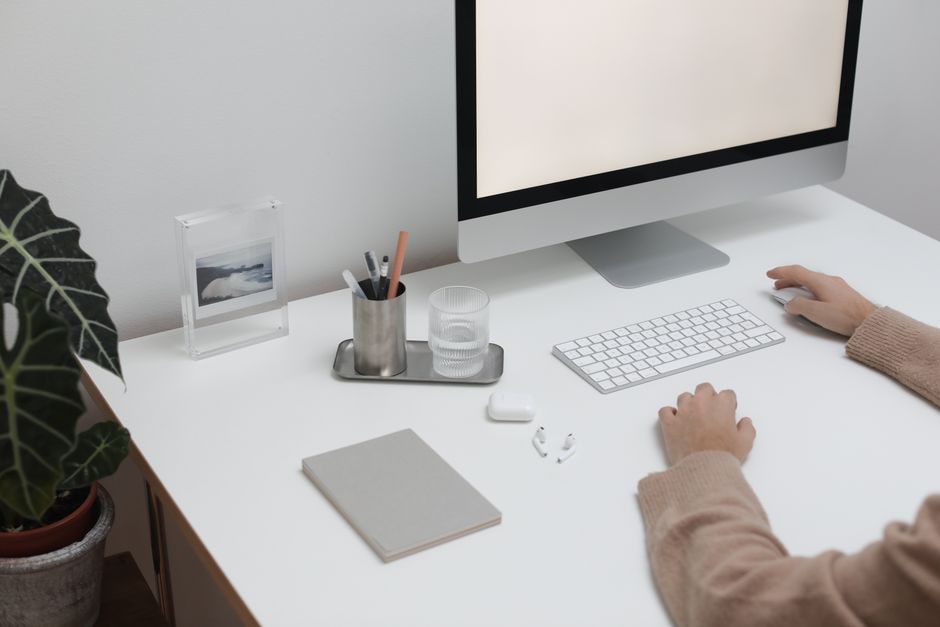
Curation is often mistaken for minimalism, but they're different animals.
A curated studio contains only objects that earn their place—through use, meaning, or genuine visual pleasure.
This doesn't mean sparse. It means every piece, from your desk to your shelving, has a reason to be there.
Design Observer has long noted that the best-functioning creative spaces often feel lived-in, not sterile.
Open vs. enclosed studio layouts
Strengths
- Open layouts maximize natural light and create visual breathing room
- Fewer walls mean you can reconfigure as your needs evolve
- Sense of flow encourages movement between different work modes
Trade-offs
- Distractions multiply when everything is visible at once
- Sound carries; external noise becomes a focus killer
- Harder to mentally separate work from domestic life
Materials and surfaces matter more than you think
What your studio is made of—wood, concrete, drywall, tile—affects how sound travels, how light bounces, and how the space feels energetically.
Redbarrel Studio and similar contemporary designers have started treating material selection as a foundational decision rather than a cosmetic one.
Hard surfaces amplify sound and create visual sharpness; softer materials absorb both.
Choose based on what your brain needs, not what looks trendy in photos.
Studio essentials checklist
The role of curation over time
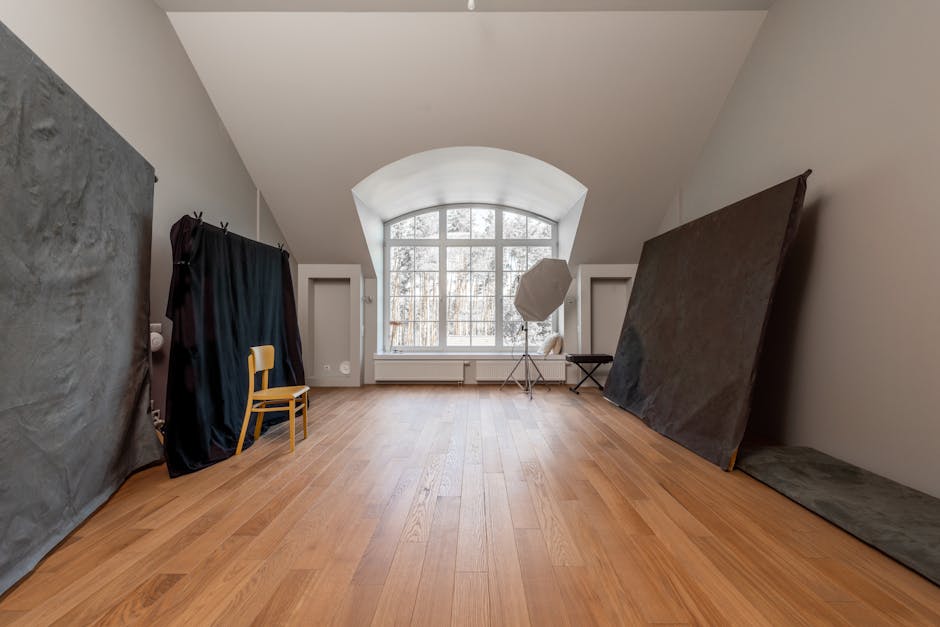
A studio isn't static. Your work evolves, and your space should evolve with it.
Curation means regularly asking: Does this still serve me? Remove what no longer does.
Objects that meant something five years ago can become clutter if they've outlived their purpose.
The best studios feel intentional because they're maintained intentionally.
Spend one hour observing your current studio without changing anything. Where do your eyes linger? Where do you move inefficiently? What distracts you? These observations are more valuable than any design trend.
A studio reflects the person working in it. If it feels cluttered, disconnected, or uninspiring, that's useful information about what needs to change.
Principle of intentional design
The only rule that matters
Studio design becomes overthinking when you prioritize how it looks in photos over how it feels while working.
Your space should make you want to show up, stay focused, and make something worth making.
Everything else—the aesthetic, the Instagram appeal, the curated vibe—follows naturally if the foundation is right.