Home Design and Build Trends Emerging in 2026
What homeowners and renters should expect from materials, codes, and design this year.

2026 marks a shift in how homes are built, designed, and regulated. New energy codes took effect in most U.S. states, material sourcing has tightened, and aesthetic preferences have evolved.
For homeowners planning renovations or builders scoping new projects, understanding these changes early matters. Some affect cost. Others reshape what's even possible to build.
Energy Code Updates Reshape Building Envelope Standards
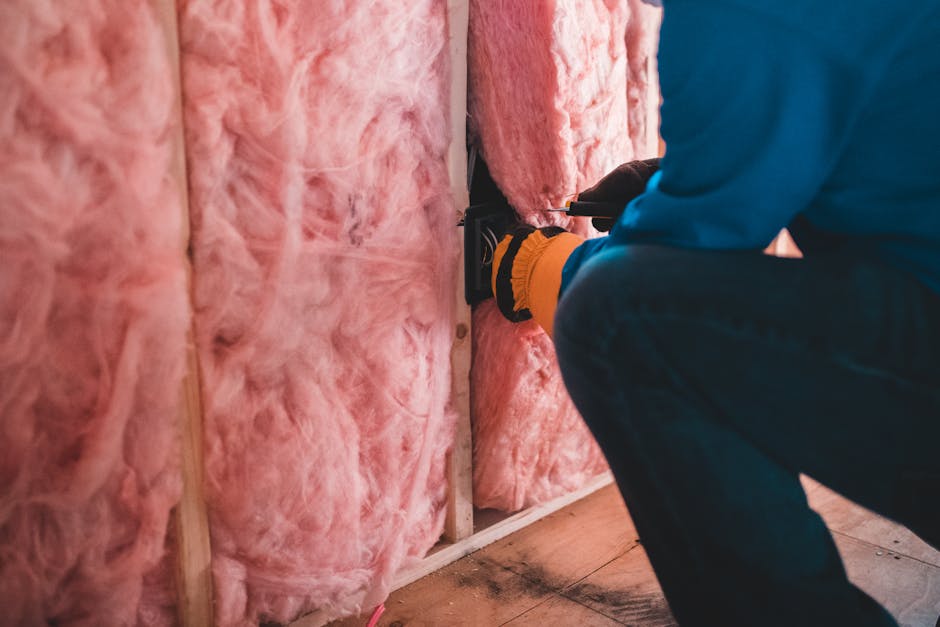
The 2024 International Energy Conservation Code (IECC) rolled into state and municipal codes throughout 2025 and into 2026. The shift tightens air sealing requirements and mandates higher insulation performance across climate zones.
Builders report longer timelines for air-sealing inspections and more stringent thermal testing. Homeowners upgrading windows, doors, or roof assemblies should expect contractors to discuss blower-door testing—a standard that was optional just two years ago.
The U.S. Department of Energy has published compliance guides for contractors. Renovation projects that involve exterior walls now often require third-party energy audits before and after completion.
Five Materials Facing Supply or Regulatory Shifts
1. Lumber Sourcing Documentation — New building permits often require chain-of-custody proof for solid wood framing in some jurisdictions.
- Increased lead times for certified sustainable lumber
- Price volatility continues from regional supply constraints
2. Vinyl Flooring Reformulation — Phthalate restrictions now cover most consumer vinyl products sold in North America.
- Softer feel and improved durability in reformulated versions
- Cost parity with older formulations has narrowed
3. Gypsum Wallboard Dust Control — OSHA updated silica dust exposure limits affecting drywall finishing workflows.
- Wet-cutting and dust suppression equipment now standard on job sites
- Adds labor cost to finishing phases
4. Asphalt Shingle Durability Claims — Manufacturers face tighter truth-in-labeling standards for wind and fire ratings.
- Third-party testing now mandatory before marketing claims
- Some budget lines eliminated; focus shifted to performance-tier products
5. Paint and Stain VOC Caps — Volatile organic compound limits tightened in 18 states; others following suit.
- Color matching and dry-time profiles have shifted across product lines
- Interior air quality improvements, longer cure windows
Design Trends Lean Toward Legibility and Durability
After years of maximalism and trend-driven finishes, 2026 design conversations center on timelessness and materials that age gracefully. Neutral color palettes dominate high-end residential work, with personality reserved for textiles and art.
Open-plan layouts continue but with renewed emphasis on acoustic boundaries—thick rugs, fabric panels, and architectural niches that muffle sound without walling off spaces.
Appliances and fixtures increasingly adopt integrated looks. Seamless refrigerators, invisible range hoods, and hardware-free cabinetry remain popular with architects and designers pursuing calm, composed interiors.
Several states updated licensed contractor exams in 2026. Verify that your builder or remodeler holds current credentials for your jurisdiction. Reciprocal licenses from other states may no longer be automatically accepted.
Labor Shortages Persist, Timeline Planning Matters
Trade apprenticeships are growing but haven't yet filled the gap left by early retirements. Expect 4-8 week scheduling delays for plumbing, electrical, and HVAC work in many markets.
Homeowners booking 2026 renovations should lock in contractor agreements early—Q1 and Q2 fill faster than fall seasons. General contractors who manage their supply chain proactively report smoother project delivery.
The National Association of Home Builders surveys reflect continued wage pressure and material-cost uncertainty. Planning budgets with 5-10% contingency for labor rate increases is now standard practice.
Quick Reference: 2026 Home Building Landscape
Looking Ahead
2026 is not a year of radical shifts but a year of consolidation. Energy codes settle into practice, material sourcing stabilizes, and design taste clarifies.
Homeowners who adapt early—securing contractors, understanding code requirements, and planning budgets with realistic lead times—will navigate the year smoothly. Those who wait often face compressed timelines and higher costs.
The home building and renovation landscape in 2026 rewards patience and informed decision-making over last-minute scrambling.