Home industry shifts in 2026: What homeowners should track
Energy codes tightened, supply chains stabilized, and DIY culture evolved—here's what actually matters.
2026 arrived with quieter fanfare than the years before it, but the home sector shifted in ways worth noticing. Energy codes got stricter across most states. Material availability stopped being a scarcity nightmare. And the conversation around DIY shifted from
pandemic-era desperation to something more intentional.
These weren't overnight upheavals—they're continuations of longer trends that finally matured into operational reality. For anyone planning renovations, buying tools, or thinking about what to upgrade next, understanding these shifts beats chasing whatever trend cycle social media is pushing this
month.
Energy codes accelerated across states
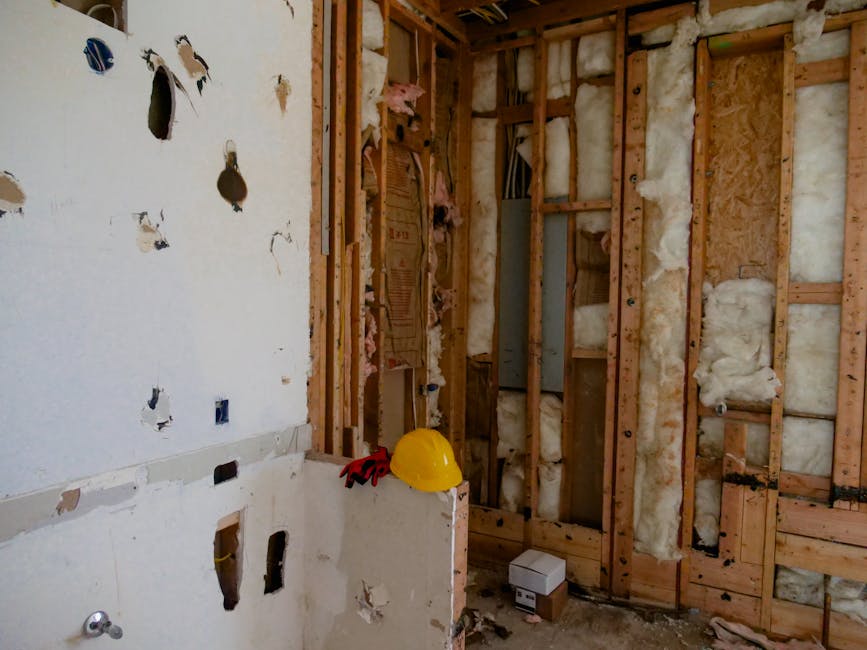
Nearly every major state tightened residential energy codes in 2025 and 2026. That means new builds and major retrofits now require better insulation standards, higher-efficiency HVAC systems, and in many cases, heat pump readiness.
For existing homeowners, this doesn't mandate immediate action. But it does signal where material availability and contractor expertise are concentrating. Heat pumps and ductless mini-splits went from premium options to standard retrofit offerings.
The real shift: insulation materials that were hard to source three years ago are now commodity items. Contractors have standardized workflows. If you've been postponing an envelope upgrade, 2026 is the year the supply side actually supports it.
Supply chains normalized for most categories
Lumber, windows, doors, and electrical components are no longer the bottleneck they were in 2022–2023. Lead times shrunk. Prices stabilized—not cheap, but predictable.
The National Association of Home Builders data shows material cost volatility dropped significantly. Contractors can now bid projects with confidence instead of price-lock contingencies.
One catch: specialty items and custom orders still move slower. Off-the-shelf everything? Available. Bespoke finishes and imported fixtures? Still waiting lists.
2026 trade-offs for home projects
Strengths
- Energy code compliance is now mainstream—less niche, lower premiums.
- Material availability across standard categories is reliable.
- Contractor pricing is more transparent thanks to normalized supply.
- DIY tool and material access is mature and competitive.
Trade-offs
- Labor costs remain high as demand outpaces contractor capacity.
- Custom or imported materials still carry wait times.
- Some older codes remain in effect regionally—inconsistency persists.
- Utility rebates and incentive programs shift frequently by jurisdiction.
DIY culture split into two camps
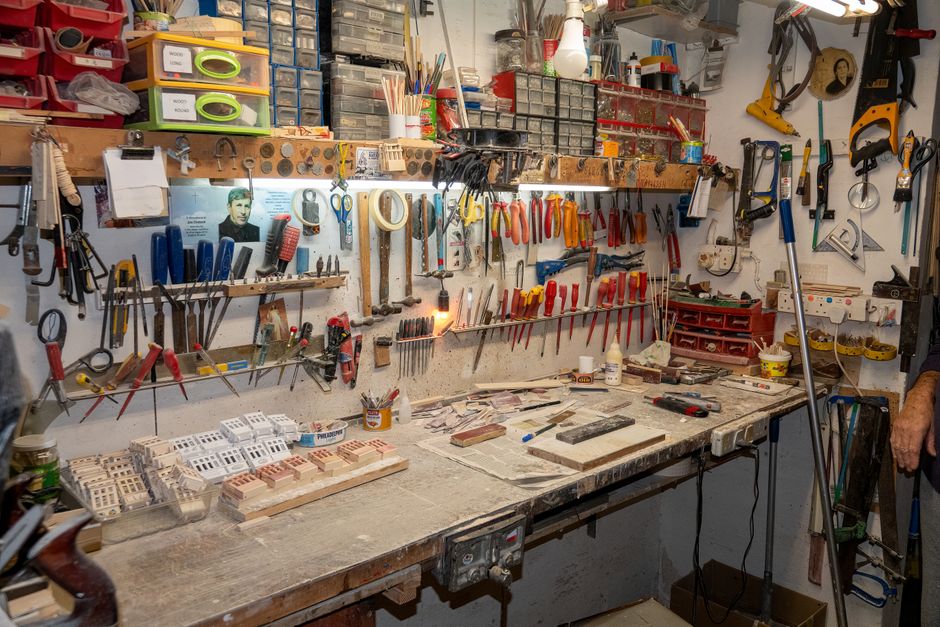
The pandemic-era surge of everyone learning to tile and paint has bifurcated. Some people doubled down into genuine skill-building. Others stepped back, realizing contractor labor is worth the cost.
What changed in 2026: social media stopped celebrating every DIY project as an identity statement. The conversation got more practical—when to DIY based on actual skill, time, and result quality, not trend cycles.
Content around YouTube-famous renovation challenges faded. What grew: regional builder forums, local contractor reviews, and community knowledge-sharing that assumes people know their own limits.
Quick reference: 2026 home sector facts
What this means for your next project
If you're planning a renovation in 2026 or 2027, check your local energy code first. It'll shape material choices and contractor bids more than marketing cycles will.
Get quotes from at least three contractors—not because prices vary wildly anymore, but because scope interpretation and timeline confidence vary. Supply chain risk is lower now, so contractor selection and project management matter more.
For DIY decisions: honestly assess whether the project aligns with your actual skills and schedule. This Old House and similar resources still publish solid guidance, but execution matters more than inspiration.
The home sector in 2026 isn't flashy. It's stable, predictable, and increasingly focused on efficiency and durability over novelty. That's not a bad baseline to build from.
The bottom line
2026 marked the maturation of supply chains, stricter energy standards, and a more grounded DIY conversation. None of this is revolutionary, but all of it shifts how you approach home projects.
Plan with energy codes in mind, trust contractor expertise over DIY ego, and expect material availability to stay reliable. The home sector is no longer in crisis recovery mode—it's settled into a new normal that actually favors thoughtful planning.