Home Trends That Shifted in 2026: What's Different Now
From energy codes to design preferences, the home industry evolved fast this year.

2026 brought meaningful changes to how people think about, build, and live in their homes.
Some shifts were regulatory—codes tightened, standards evolved. Others came from market pressure and consumer preference.
Here's what actually moved the needle in residential this year.
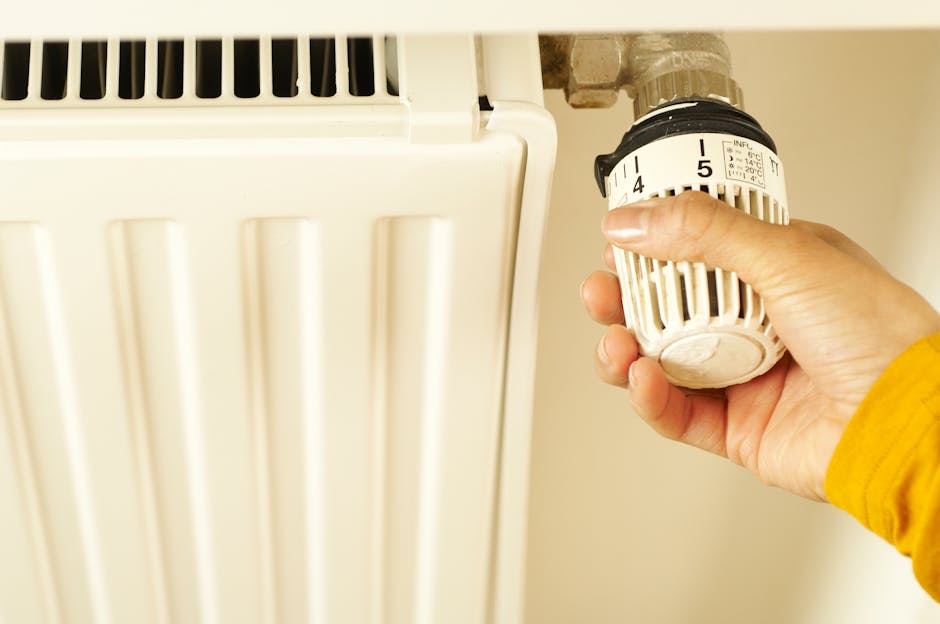
Energy Codes Got Stricter Across More States
A wave of updated energy codes rolled out in 2026, with more states aligning to higher efficiency baselines.
The U.S. Department of Energy released updated model codes in early 2026, and adoption spread faster than in previous cycles.
New homes now face tighter insulation, HVAC efficiency, and air-sealing requirements in jurisdictions that represent about 40% of the U.S. housing market.
Builders and renovators who invested in cold-climate construction methods two years ago saw lower compliance costs this year.
Five Design Shifts That Dominated 2026
1. Thermal Mass and Passive Cooling — Homes in warm climates shifted toward concrete, stone, and earth-tone interiors to reduce HVAC reliance.
- Lower summer energy bills
- Delayed temperature swings
- Industrial aesthetic appeal
2. Flexible Room Layouts — Open-concept fatigue reversed; more homeowners wanted movable walls and modular furniture.
- Hybrid work-from-home spaces
- Guest room flexibility
- Sound dampening without closed doors
3. Biophilic Design Elements — Living walls, interior plant integration, and wood finishes became standard, not luxury add-ons.
- Air quality improvement
- Mental health association
- Visual warmth in modern homes
4. Local Material Sourcing — Homeowners and designers increasingly sourced flooring, counters, and trim from regional suppliers.
- Reduced shipping emissions
- Support for local mills
- Unique regional character
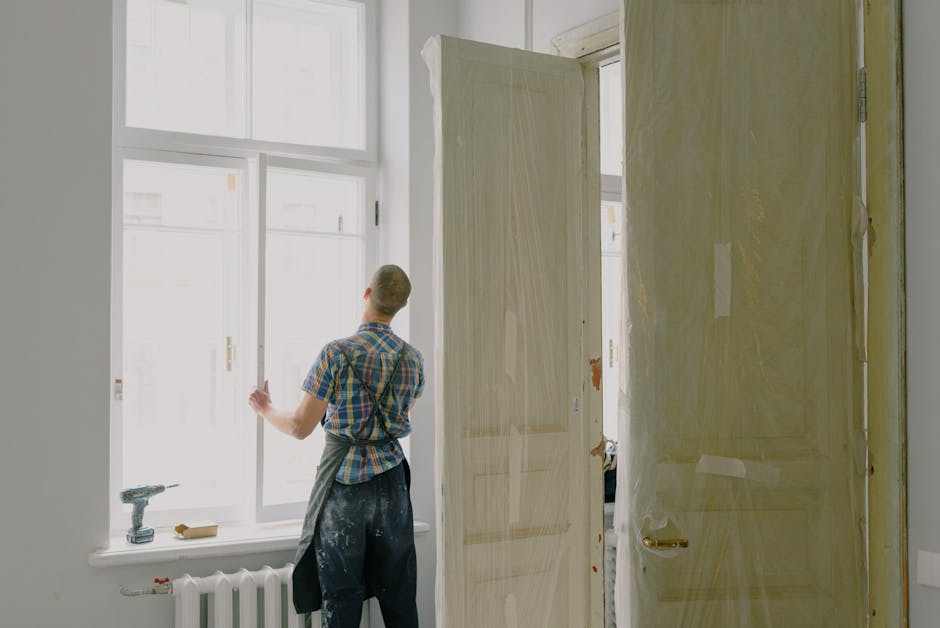
5. Retrofit-First Renovation Mindset — Rather than demolish, homeowners prioritized updating existing homes for efficiency and modern living.
- Cost savings vs. new construction
- Preserved neighborhood character
- Lower embodied carbon
Supply Chain Stabilized, But Labor Remained Tight
Lumber and material shortages that plagued 2024 and early 2025 eased considerably by mid-2026.
Lead times returned to pre-pandemic norms for most commodity products, reducing renovation budgets by 5–8% on average.
Skilled labor shortages, however, persisted. Electricians, plumbers, and HVAC technicians remained in high demand.
Many homeowners compensated by tackling DIY finishing work and systems monitoring—a trend supported by more consumer-friendly smart-home interfaces.
Quick Look: 2026 Home Market Snapshot
Smart Home Integration Became Quiet, Not Flashy
The smart-home hype cycle cooled in 2026, replaced by practical integration.
Homeowners wanted climate control, security, and lighting that worked seamlessly rather than gadgets to show off.
Interoperability standards improved, making multi-brand systems less of a headache than they had been for years.
The National Association of Home Builders noted that 60% of new homes shipped with basic smart-infrastructure readiness, a significant jump from 2025.
Lot sizes and overall home footprints remained stable in most markets. The "tiny home boom" didn't materialize as a mass trend. Single-family ownership preferences held steady despite rental cost increases.
Looking Ahead
2026 marked a maturation in home construction and renovation toward efficiency and flexibility over novelty.
What started as crisis-driven changes—energy mandates, supply disruptions—became the industry's new baseline.
Homeowners who embraced retrofits, passive design, and smart basics positioned themselves well for a market shaped by climate priorities and tighter labor access.
The Bottom Line
2026 wasn't about revolutionary home tech or wild design swings—it was about settling into practical, efficient, and flexible living spaces.
If you're planning a renovation or buying a home this year or next, the trends of 2026 show that durability and performance are where smart money is headed.