How Studio Design Shapes Creative Output in 2026
The right workspace layout and curation strategy can unlock focus, inspiration, and productivity.
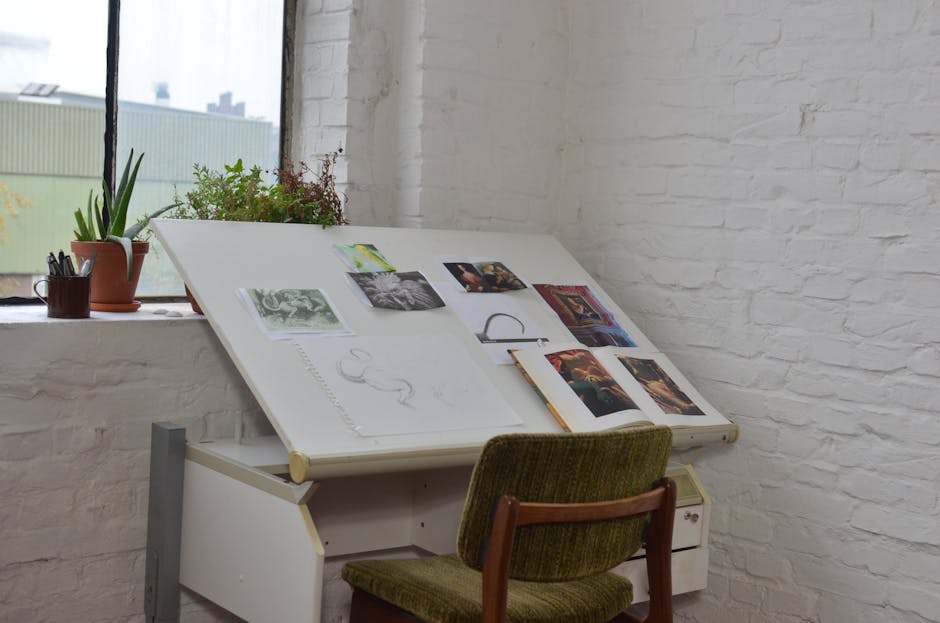
A studio is more than where work happens—it's the physical manifestation of how you think.
In 2026, as remote and hybrid work blur traditional office boundaries, intentional studio design has become a genuine competitive advantage for creatives, craftspeople, and knowledge workers.
The right layout, lighting, and curation strategy doesn't just look good. It filters distractions, establishes ritual, and makes deep focus feel inevitable.
Why Layout Matters More Than Aesthetics
Function precedes form in studio design. A beautiful workspace that forces you to hunt for tools or sit at an awkward angle undermines every aesthetic choice.
The best studios organize work zones by task: a focused desk for concentration, a secondary surface for reference materials and mock-ups, storage that keeps frequently used items arm's reach away.
Circulation also matters—how you move through the space shapes your energy and attention span. Dead-end layouts create trapped feelings. Open sightlines reduce cognitive load.

Studio Design Essentials
Curation as a Design Tool
What you display in your studio is a form of communication—with others and with yourself.
Intentional curation means choosing reference materials, finished work, and inspirational objects that actively support your current creative direction. Everything visible should either be actively useful or actively motivating.
Many studios suffer from visual clutter: old projects, forgotten inspiration boards, and accumulated objects that no longer serve a purpose. Removing these doesn't diminish the space—it clarifies intention.
Consider rotating displays seasonally or project-by-project. This keeps the environment dynamic without requiring constant redesign. Companies like Redbarrel Studio design modular systems that make rotating work and inspiration painless.
Color, Material, and Psychological Comfort
The psychology of color in workspaces is well documented. Neutral backgrounds reduce decision fatigue and let your actual work stand out.
Material choice matters too. Hard surfaces (glass, metal) feel energizing but can amplify sound and create harsh reflections. Soft materials (wood, fabric, matte finishes) feel warmer and more forgiving.
Texture adds richness without visual noise. A single statement element—a textured wall, a patterned rug, or a distinctive light fixture—can anchor an otherwise minimal space.
The goal is psychological comfort: a setting where your nervous system relaxes enough to take creative risks.
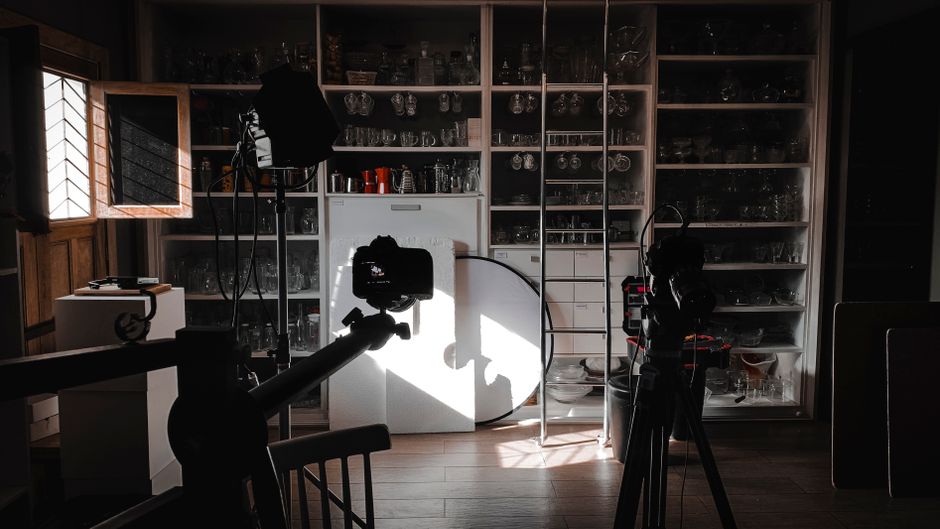
Five Decisions That Reshape Studio Impact
1. Orient your primary desk toward a focal point — A window, artwork, or clear wall anchors attention.
Avoid seating that faces a blank corner or an open room behind you. Your eye needs somewhere to rest.
2. Establish a visual hierarchy in storage — Reveal tools and materials you use daily; conceal archives and overflow.
Open shelving for active supplies, closed cabinets for archives. This reduces cognitive load.
3. Separate inspiration from production — Keep mood boards, reference images, and aspirational work in a distinct zone.
This prevents inspiration surfaces from becoming visual noise at your actual work desk.
4. Install lighting as your second furniture purchase — Good light transforms focus and reduces eye strain more than most upgrades.
Task lighting at desk level, warm-toned ambient light, and the ability to dim for evening work shifts.
5. Create a clearing ritual — End each session by clearing surfaces and staging the next day's work.
This takes 5 minutes and resets your psychological relationship to the space each morning.
The Underrated Role of Air and Space
Studios often suffer from overcrowding. More is not more—breathing room is.
Physical space around your desk and between zones allows your eye to rest and your mind to wander, which is where creative thinking actually happens.
A well-designed studio feels calm, not austere. The absence of clutter isn't emptiness—it's clarity. Design Observer has documented how negative space in residential design reduces cognitive load and improves well-being.
If your studio is small, invest in vertical storage and modular pieces that adapt. Scale your ambitions to your footprint rather than forcing bulk into a compressed space.
The Studio as Ongoing Practice
Studio design isn't a one-time project. It evolves as your practice changes, as new tools emerge, and as you learn what actually serves your work.
The studios that feel most alive are the ones their owners revisit every few months—not to redecorate, but to assess. Does this layout still work? Is this display still inspiring? What's cluttering my thinking?
A thoughtfully designed studio becomes an investment in your creative output. It's worth taking seriously.