What Makes Engineered Flooring Last: Durability Breakdown
How construction, materials, and maintenance determine real-world performance.

Engineered flooring dominates modern kitchens and living rooms for one reason: it handles moisture and temperature swings better than solid hardwood.
But durability varies wildly between products. Some last twenty years; others show wear in five. The difference lies in how they're built.
Understanding the mechanics behind engineered flooring durability helps homeowners make choices that actually stand up to daily life.
Plywood vs. High-Density Backing
The core layer determines stability. Engineered planks sit atop a plywood or high-density fiberboard base that prevents cupping and warping.
Thicker plywood cores—typically seven to nine plies—resist dimensional movement far better than thin three-ply bases.
According to the National Wood Flooring Association, cross-grain construction in the backing layer is the real differentiator; it counteracts the wood's natural tendency to expand and contract.
Budget engineered options often skimp here, using flimsy particleboard that fails within a decade under normal moisture exposure.

Core Durability Metrics
Veneer Thickness and Top-Layer Quality
The visible wood veneer—the actual surface you walk on—typically ranges from 1mm to 6mm thick.
Thicker veneers survive daily scratches, pet claws, and future sanding. Thin veneers wear through quickly, and once damaged, they cannot be refinished.
Premium engineered floors use genuine hardwood veneers; budget options glue on photographic layers that degrade under UV light within a few years.
SmartCore Flooring and similar mid-tier manufacturers typically offer 3mm–4mm veneers paired with eight-ply backing, hitting a practical durability sweet spot for residential kitchens and hallways.
Durability Trade-offs in Engineered Flooring
Strengths
- Engineered construction resists moisture and temperature swings that would ruin solid hardwood
- Quality planks with thick veneers last 20–25 years in normal homes
- Plywood backing provides dimensional stability without expensive acclimation time
- Better for basements, kitchens, and any space with humidity variability
Trade-offs
- Thin veneers cannot be sanded and refinished; replacement is the only repair
- Budget cores with inadequate backing fail faster than solid wood of the same species
- Sealing and moisture barriers degrade over time; subfloor leaks still cause buckling
- Some engineered options use tropical hardwoods with opaque supply chains
Installation and Subfloor Preparation Matter
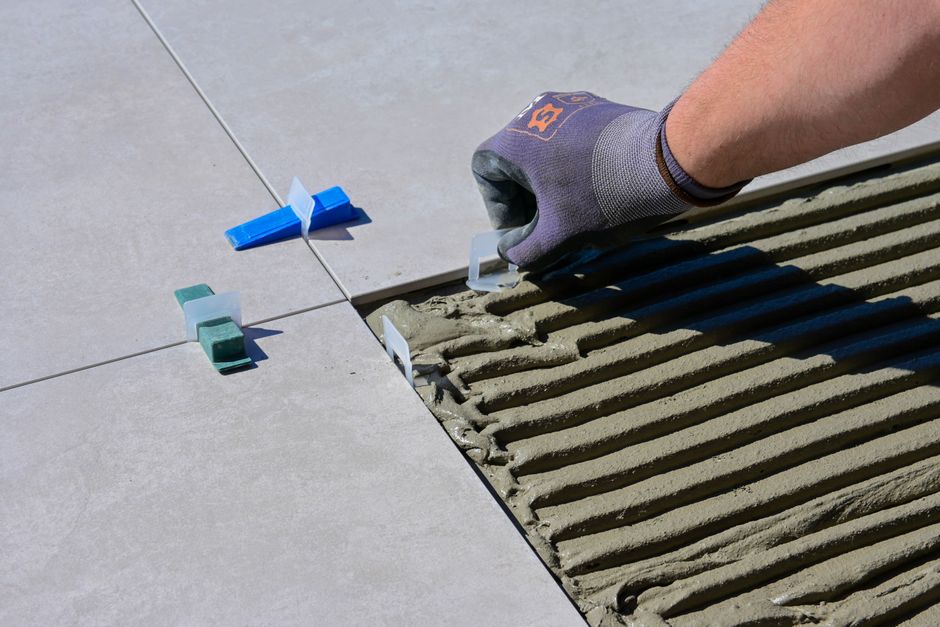
Even premium engineered flooring fails if the subfloor is damp or uneven.
Moisture readings should stay below 12% before installation. Concrete slabs need vapor barriers; wood subfloors need proper ventilation.
Poor acclimation—rushing installation before the planks adjust to room humidity—causes cupping and gapping within months.
The best engineered plank in the world cannot overcome a wet basement or a buckled substructure.
Engineered flooring is low-maintenance relative to solid hardwood, but it still demands regular sweeping, prompt spill cleanup, and humidity control. Area rugs in high-traffic zones extend visible lifespan considerably.
The Durability You Pay For
Engineered flooring durability is not one thing—it's the sum of veneer thickness, core plies, moisture barriers, and subfloor conditions.
Mid-range engineered options with genuine wood veneers, eight-ply backing, and proper installation routinely outlast budget alternatives by a decade.
The best engineered floors in 2026 still cannot match the longevity promise of old-growth solid hardwood, but they offer moisture resilience that makes them the practical choice for most modern homes.
Understanding what sits beneath your feet—not just the wood you see—changes how you evaluate durability claims.