What Makes Handcrafted Furniture Worth the Investment in 2026
Why artisan-made pieces are reshaping how people think about home durability and design.
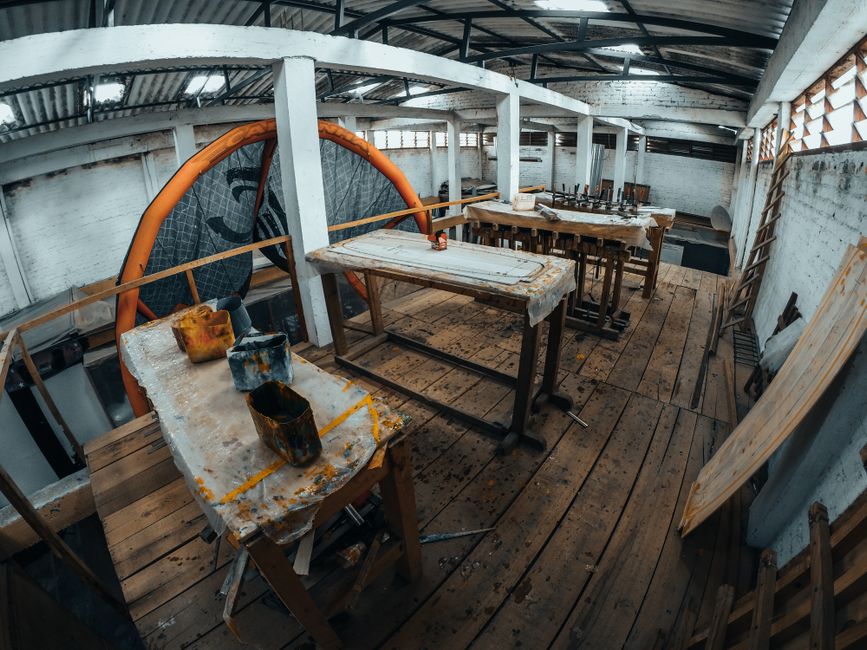
The handcrafted furniture market has shifted. Where bespoke pieces once felt like luxury outliers, they're now a considered choice for people who've grown tired of disposable designs.
This shift isn't about nostalgia or trend cycles. It's driven by visible gaps in mass-produced goods—poor joints, thin materials, finishes that chip within months.
Understanding what separates genuine artisan work from manufacturing shortcuts matters before committing time and resources to a purchase.
The Durability Case
Handcrafted furniture typically outlasts its industrial counterparts by decades. The difference lies in wood selection, joinery methods, and finishing techniques that mass production simply skips.
A well-made table uses mortise-and-tenon joints—where pieces interlock mechanically—instead of pocket screws or dowels. Those joints tighten over time rather than loosening.
Finishing matters too. Hand-applied stains and oils penetrate wood evenly. Factory spray booths rush the process, leaving surfaces vulnerable to scratching and moisture damage.
According to quality furniture research, solid wood pieces with traditional joinery regularly perform 3-5 times longer than veneered or particle-board alternatives.
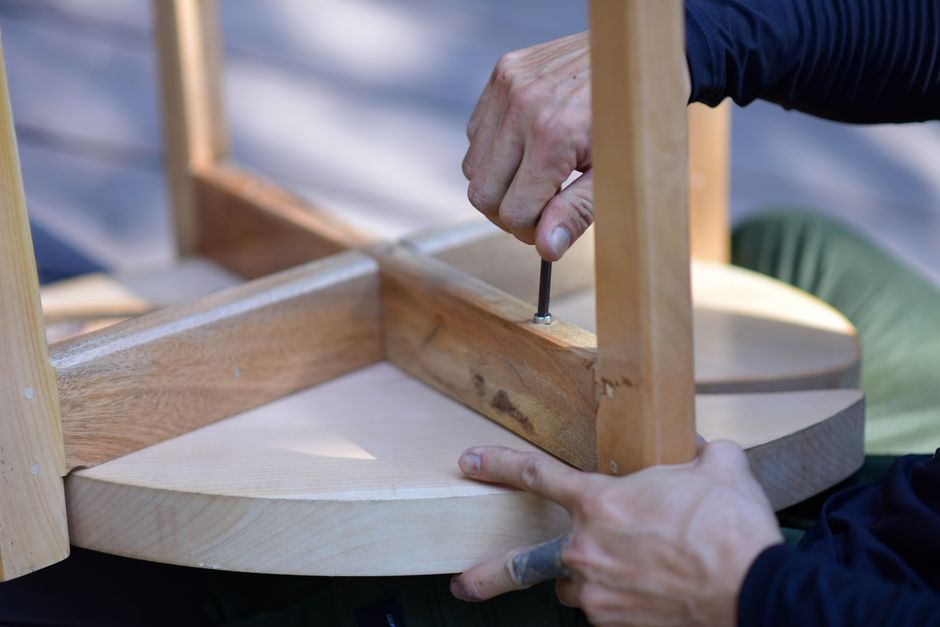
What Sets Artisan Work Apart
Design Flexibility and Customization
Off-the-shelf furniture solves a generic problem. Handcrafted work starts with your space, your taste, and your actual needs.
An artisan builder can adjust dimensions to fit an awkward room, source wood species that match your existing pieces, or adapt a design to support specific use cases—heavier weight loads, pet-resistant finishes, particular joinery.
Brands like Tresanti and independent makers both offer this flexibility, though the breadth and responsiveness vary widely.
This level of input requires clear communication upfront. Budget time for sketches, material samples, and iterative feedback before production begins.
Five Angles to Evaluate Before Buying
1. Maker Transparency — Can you see the workshop, ask about materials, and understand their process?
- Direct communication with the builder or design team
- Documented wood sourcing and supplier relationships
- Portfolio of completed work with client feedback
2. Wood Species Knowledge — Does the maker explain why they chose specific woods for durability and appearance?
- Awareness of wood movement and seasonal expansion
- Guidance on finishes suited to your climate
- Honest assessment of wood grain variation and color shifts over time
3. Warranty and Service — What happens if a joint loosens or finish wears after purchase?
- Written warranty covering structural defects
- Willingness to refinish or repair after years of use
- Clear cost structure for future maintenance
4. Price Justification — Can they explain the cost breakdown—labor, materials, overhead, profit margin?
- Hourly rates or transparent per-item labor costs
- Material sourcing documentation
- Overhead factored in (rent, equipment, insurance)
5. Design Vision Alignment — Do you share aesthetic taste and problem-solving approaches?
- Portfolio reflects your preferred style and quality bar
- They listen and ask clarifying questions about your space
- Willingness to suggest alternatives or improvements

The Real Cost of Waiting
Handcrafted furniture carries higher upfront cost. A solid wood dining table from an artisan runs $1,500–$4,000 versus $400–$800 for a factory equivalent.
However, furniture industry data shows that discounted pieces often require replacement within 5–8 years, raising lifetime cost.
Artisan work recovers that gap across 15–25 years of ownership. You also avoid the psychological drag of rebuilding your interior repeatedly.
The trade-off is patience. Lead times stretch 2–3 months. If you need something now, handcrafted work isn't the answer.
Request wood samples finished with the exact stain or oil you're considering. Color shifts dramatically between bare wood and sealed wood. Visit the maker's workshop or request detailed process photos. Trust is built on transparency.
Finding Genuine Makers
Not all "handcrafted" labels mean the same thing. Some makers hand-assemble CNC-cut parts. Others sand, finish, and assemble entirely by hand.
Look for makers who openly discuss their process. Request client references. Ask how many pieces they produce per year—sustainable makers rarely exceed 50–100 finished items annually.
Local woodworking guilds, craft fairs, and design directories often vet members. Online marketplaces vary wildly in quality controls.
Investing Thoughtfully
Handcrafted furniture rewards patience and clear communication. The investment pays dividends across decades of use.
In 2026, as disposable design culture pushes back against waste, artisan work offers both practical durability and philosophical alignment with slower consumption.
Start by identifying one or two key pieces—a dining table, bookshelf, or bed frame. Build a relationship with a maker. Let the rest follow.